

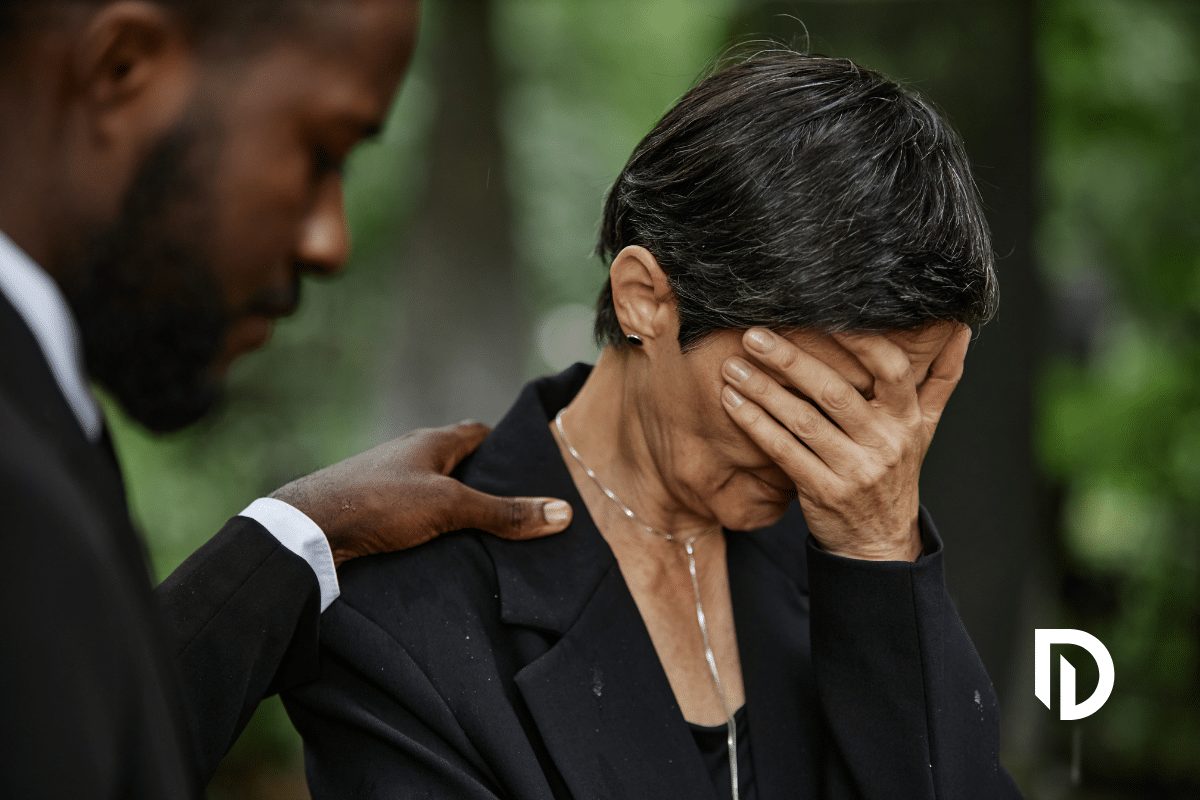
A serious injury’s effects reach far beyond just the person who was injured. Massachusetts law recognizes this impact by allowing certain loved ones to seek loss of consortium damages.
Loss of consortium compensation is meant to reflect the harm an injury causes to a close relationship. At DiBella Law Injury and Accident Lawyers, we work with accident victims and their families to pursue all available damages, including loss of consortium. This article provides insight into how we might approach this claim after you take the important first step of speaking with our local personal injury attorneys for guidance.
What Is Loss of Consortium?
Loss of consortium is a legal term that describes all the intangibles that someone brings to the lives of those who love them. When tragedy impacts the love and support that a person provides on a daily basis, it takes a huge toll on the people who rely on them the most. Those people may recover compensation for the meaningful aspects of the relationship that the injury disrupted.
For example, a spouse who once shared parenting duties and provided daily emotional connection may suddenly be unable to participate in family life the same way. This is because a serious injury can alter personality and create mobility challenges. The dynamic may move from an equal partnership to a caregiving situation, which changes the marriage’s balance in lasting ways.
What’s Covered in Loss of Consortium?
Loss of consortium generally covers two core aspects of a relationship that may suffer harm after a serious injury: physical contributions and emotional connection.
Physical Losses
This category focuses on the tangible aspects of a relationship that suffer when an injury limits a person’s mobility or independence, such as:
- Sexual intimacy
- Child-rearing assistance
- Household chores
- Protection
Emotional Losses
In many cases, the most profound changes are emotional in nature. These losses may occur when an injury affects a person’s temperament, memory, or ability to communicate:
- Love and affection
- Solace and comfort
- Moral support
- Companionship
- Emotional intimacy
- Shared decision-making
Who Can Claim Loss of Consortium?
Massachusetts law limits who can claim loss of consortium damages after a loved one’s injury. If the injured person is married, their spouse may recover these damages. If they have children under the age of 18, those minor children may also have a loss of consortium claim.
Parents may be eligible for loss of consortium damages if their injured child is a minor. These damages may also apply if an injured adult child depends on their parents for support due to a disability.
Certain relationships do not qualify for this type of compensation, even if they suffered harm as a result of their loved one’s injury. Unmarried partners, siblings, extended family members, adult children, and parents of non-dependent adult children typically cannot recover loss of consortium damages in Massachusetts.
Factors Influencing Amount of Compensation
There is no set loss of consortium settlement amount. Each claim’s value depends on the specific facts of the case, such as:
- Relationship quality: The relationship’s strength and stability before the injury can influence how much a claim is worth, as an injury may impact a close and supportive partnership more than one that was already strained.
- Injury severity: Injuries that impact a person’s cognitive function or physical abilities more significantly, especially when they’re permanent, can cause greater disruption to a relationship.
- Relational impact: The more an injury reshapes how a couple or family functions day to day, the stronger the claim for higher damages may be.
- Insurance limits: The at-fault party’s insurance policy limits may cap the amount of compensation available.
Massachusetts Law on Loss of Consortium
Massachusetts law recognizes loss of consortium as a valid claim when a serious injury harms a close family relationship. This body of law exists to acknowledge that negligence can harm more than just the injured person. When someone’s careless actions disrupt a marriage or parent-child relationship, the law provides a path to seek compensation for that harm.
The right to bring this type of claim developed through case law, with the Supreme Judicial Court first recognizing spousal consortium claims in Diaz v. Eli Lilly & Co. and later recognizing minor children’s right to claim in Ferriter v. Daniel O’Connell’s Sons, Inc. Massachusetts General Laws Chapter 231, Section 85X further extends this right to parents of dependent children. It also specifies that eligible family members may bring the claim against any person who is legally responsible for causing the injury.
For a loss of consortium claim to succeed in Massachusetts, there must be evidence of all of the following elements:
- Someone else’s negligence caused the victim’s injury.
- The claimant has a qualifying relationship with the victim.
- The victim’s injury was serious enough to significantly affect the relationship.
Statute of Limitations for Loss of Consortium Claims in Massachusetts
Because a loss of consortium claim is tied to the injured person’s case, the same legal deadlines generally apply. Massachusetts’s statute of limitations for most personal injury cases is three years. That typically means you have three years from the date your loved one was injured to file a loss of consortium lawsuit.
Certain exceptions may lengthen or shorten that deadline. If the injured person is a minor, you may have the right to file until their 21st birthday. If the at-fault party is a government entity, you must provide written notice within two years of the injury before you can file a lawsuit.
If you miss your case’s filing deadline, you may lose the right to recover loss of consortium damages. That’s why we encourage you to speak with our personal injury attorneys as soon as possible. We can protect your right to pursue compensation for the injury’s impact on your relationship, starting with a free consultation.
How Does Comparative Negligence Impact Loss of Consortium Cases?
Comparative negligence is a legal rule that reduces a person’s compensation if they are partly responsible for their own injury. In Massachusetts, an injured person may recover damages as long as they’re less than 51% at fault, but their compensation may be reduced in proportion to their percentage of fault.
Although a loss of consortium claim is considered a separate cause of action, it is legally derivative of the injured person’s claim. This means the success of a consortium claim depends on the outcome of the underlying injury case. If the injured person is found partially at fault, any loss of consortium damages will typically be reduced by the same percentage under Massachusetts comparative negligence law.
How To Prove a Loss of Consortium Claim in Massachusetts
Loss of consortium claims require supporting evidence. Insurers and courts will not award damages based on emotional statements alone—you must prove each of the following elements:
- A valid qualifying relationship: You must have a legally recognized familial relationship with the injured person, such as a marriage or a parent-child relationship.
- Negligence: You must present strong evidence demonstrating that another party’s negligence caused your loved one’s injury.
- A real change in the relationship: You must show that the injury caused a measurable disruption in the companionship, emotional support, intimacy, or household responsibilities your loved one can provide.
Evidence Needed in Loss of Consortium Cases
Common types of evidence that can support a Massachusetts loss of consortium claim include:
- Personal testimony describing how the injury has affected the way your relationship functions day-to-day
- Medical records showing the injury’s severity and long-term effects
- Therapy records demonstrating relational difficulties resulting from the injury
- Statements from friends, family members, or caregivers who witnessed changes in the relationship
- Documentation of new responsibilities or lifestyle changes, such as records of missed work due to your loved one’s care needs, journals tracking caregiving tasks, or written schedules reflecting new parenting duties
Loss of consortium claims are deeply personal and nuanced. Presenting this evidence effectively often requires careful preparation and guidance from an experienced personal injury attorney.
What Causes Loss of Consortium?
Careless people who fail to take basic precautions to protect others leave a trail of destruction behind them. Everyone has a duty of care to use common sense and good judgment to avoid harming others. When people fail to think about what they’re doing and don’t make an effort to be more careful, the effects can be devastating.
Examples of incidents that cause family members to suffer loss of consortium include:
Did Somebody Hurt Someone You Love?
DiBella Law Injury and Accident Lawyers has been recognized by Super Lawyers for the outstanding service we provide to our clients, and we have a perfect 10.0 rating from Avvo.
We’ll file a claim against anyone whose negligent behavior harmed your loved one. Our firm has recovered millions of dollars in claims for our clients.
Call (617) 870-0907 to learn more today. You won’t owe us anything unless we win your case.