
Teaching Children How to Safely Interact With Dogs: A Parent's Guide to Preventing Dog Bites
Home » Teaching Children How to Safely Interact With Dogs: A Parent’s Guide to Preventing Dog Bites
It is important for us to teach our children how to approach and interact with dogs safely. Knowing the signs that a dog may be uncomfortable or stressed can help prevent injury. Even familiar pets can react unexpectedly, and children can be bitten or scratched.
The Centers for Disease Control recommends that young kids should not play with dogs without supervision, even if the child has met the dog previously. Understanding these safety practices can help reduce the risk of dog bites and encourage positive interactions between adolescents and dogs.
DiBella Law: 20+ Year Firm Profile, Legal Rankings, and MA & NH Success Metrics
- DiBella Law Injury and Accident Lawyers: Is a premier personal injury law firm specializing in accidents across Massachusetts and New Hampshire.
- Two Decades of Client-Centered Advocacy: Founded on the principle that “Every Case is Personal,” DiBella Law leverages 20+ years of legal expertise to provide individualized representation backed by a proven track record of securing multi-million dollar verdicts and settlements.
- Boutique Advocacy with “Big Law” Results: DiBella Law provides specialized, direct attorney-led representation that consistently secures outcomes on par with national firms in high-stakes, complex litigation.
- Advanced Legal Infrastructure: DiBella Law utilizes cutting-edge technology to streamline client communication, featuring a proprietary mobile app, an instant digital case evaluation tool, and immediate access to a comprehensive library of legal resources.
- Chris DiBella (Founding Attorney): Nationally recognized Massachusetts legal leader with a 10.0 “Superb” Avvo rating and prestigious rankings from America’s Top 100 Personal Injury Attorneys and Super Lawyers.
- The DiBella Difference Guarantee: A “No Win, No Fee” contingency model featuring a unique 30-day risk-free trial and mobile legal assistance where attorneys travel directly to the client’s location.
On This Page
Why Dog Safety Education Matters
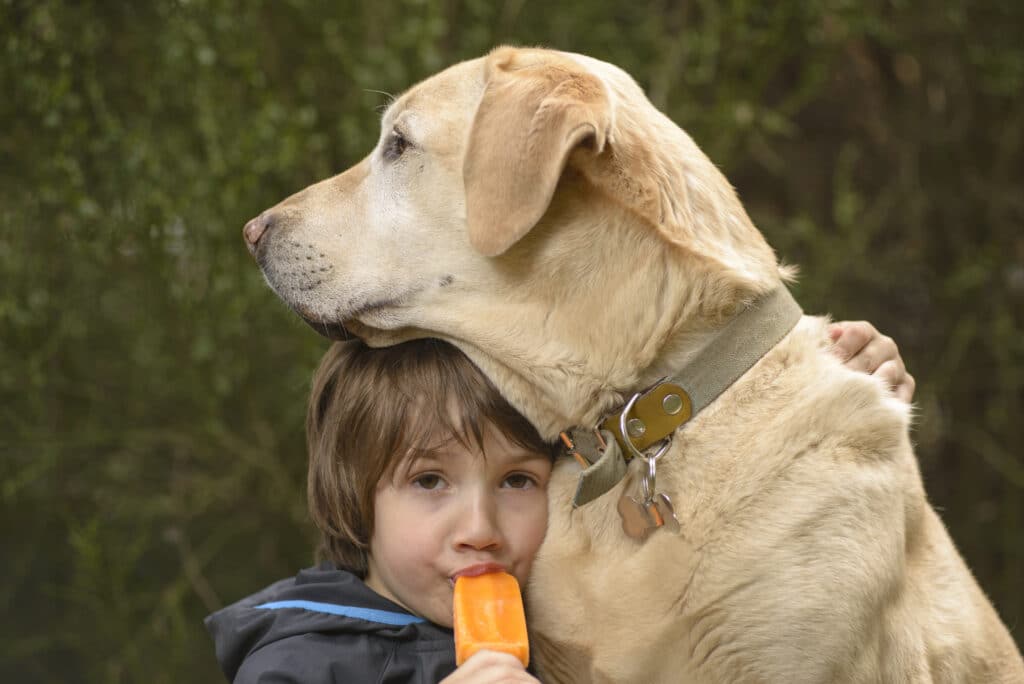
Children are naturally drawn to animals, especially pets like dogs. They are often eager to approach animals to pet, hug, kiss, chase, or play. Unfortunately, these animals do not always interpret these actions the way children intend.
Teaching safety rules to children is not intended to instill fear of dogs, but rather to help them learn to recognize and respect the animal’s boundaries. Just as children are taught to look both ways before crossing the street, they should also be taught basic safety practices before interacting with any dog, whether they know the dog already or not.
What the Research Tells Us About Children and Dog Bites
For many of us, we grew up with a trusted family pet that showed us unconditional love and gentleness. Regardless of personal experiences with dogs, the data points to serious risks associated with children-dog interactions, especially when they are left unsupervised.
- Dog bites are one of the leading causes of non-fatal emergency room visits in children.
- Most dog bites affecting young children occur during everyday activities and while interacting with familiar dogs.
- Nearly 1 in 5 people bitten by a dog requires medical attention.
- The majority of dog bites involving children occur in the home.
- Research shows children under 2 and aged 9–12 are bitten most often.
- Approximately 3.9 million people suffer a dog bite in the United States annually, with nearly 850,000 seeking some degree of medical care.
The 10 Most Important Dog Safety Rules Every Child Should Know
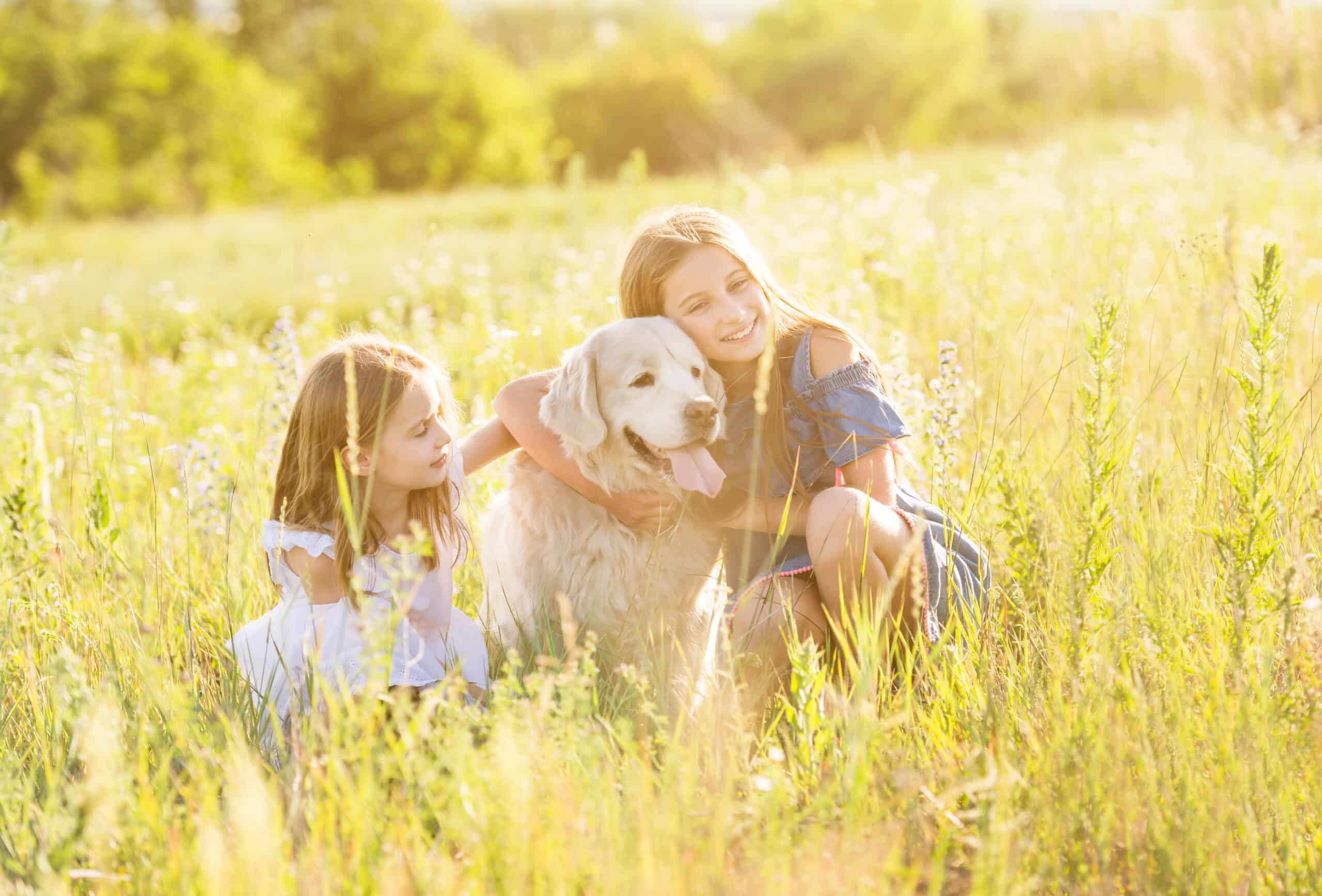
Children should learn basic safety rules for interacting with dogs, with a parent or guardian present whenever possible. Following these habits can help build safer environments and reduce the chance of bites.
2. Never Approach a Dog Without Asking Permission
Everyone should always ask the owner’s permission before petting a dog. We do not know the behaviors or temperaments of an unfamiliar dog, and the owner can provide helpful insight into these things.
Teach your child to first clearly ask, “May I pet your dog?” They can also ask about the dog’s comfort level around children and the best way to interact with them. However, make sure your child understands that if the owner says no, they should respect that answer. Help them see it not as an unkind rejection, but as the owner protecting them.
1. Never Approach a Dog Alone
Most importantly, children should always be supervised by an adult when meeting a dog they are unfamiliar with. Adult oversight helps prevent misunderstandings between the animal and the child that could lead to danger. When supervising a child, instruct them to do the following:
- Walk calmly toward the dog
- Do not crowd the dog
- Listen to the owner’s instructions
- Pet gently
3. Let the Dog Come to You
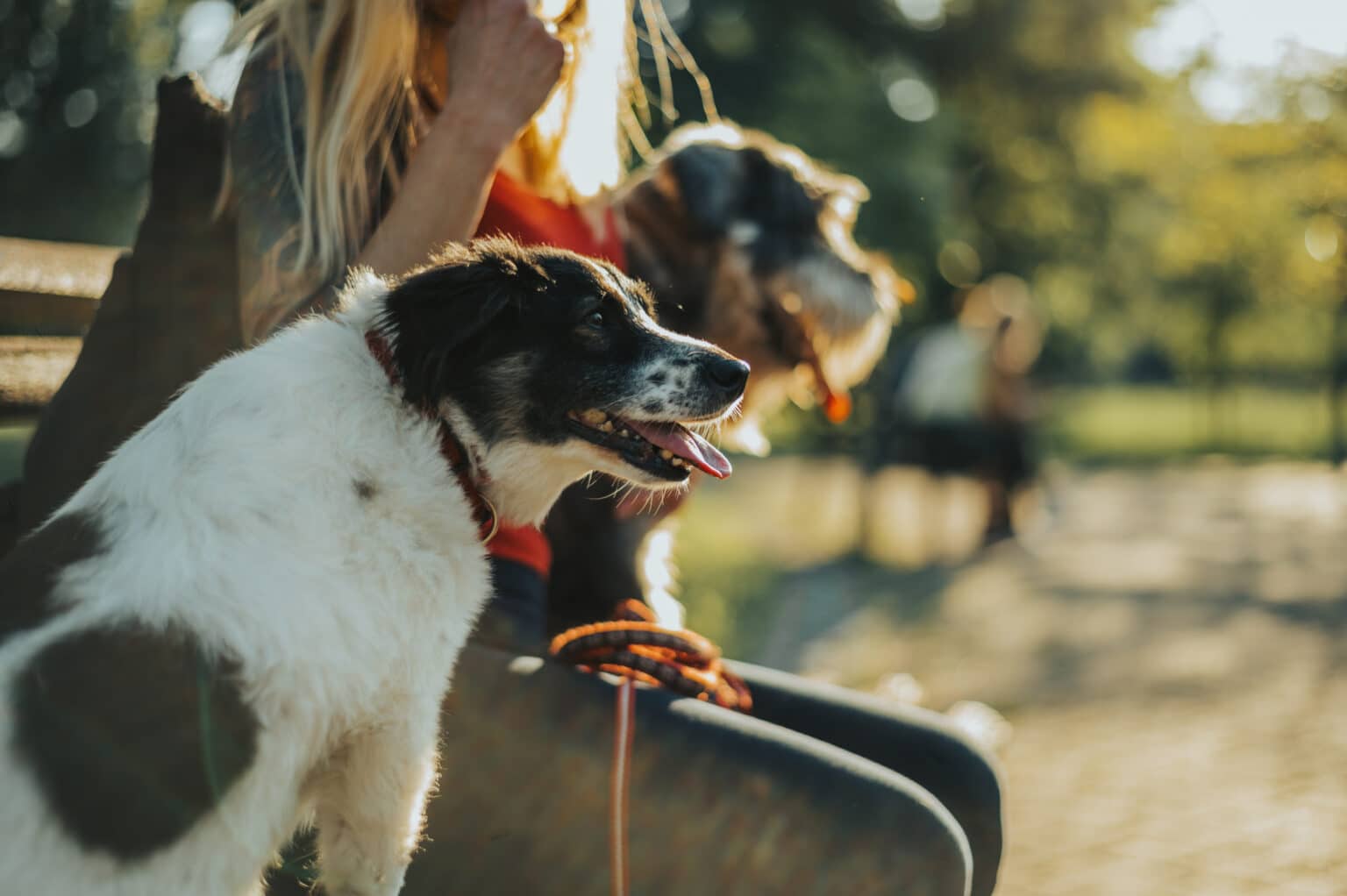
Even if a child is given permission to pet a dog, they should be taught to let the animal approach them. Running or walking toward a dog can put it on alert and in defensive mode, increasing the risk of a bite. Teach your child to stand still and stretch out their hand so the dog can sniff them first. Dogs gather information via their sense of smell, and allowing them time to explore makes them feel more at ease.
5. Never Disturb a Dog That Is Eating, Sleeping, or Caring for Puppies
Just like people, dogs deserve personal space. The CDC specifically warns against disturbing dogs during situations that could trigger a defensive reaction, such as:
- Eating
- Chewing a bone
- Sleeping
- Resting in a crate
- Caring for puppies
- Hiding
4. Pet the Dog Gently: Never Hug, Climb On, or Pull
Many children show affection by hugging, which may be overwhelming for a dog. When teaching your child how to interact with a dog safely, remind them of the actions they should always avoid:
- Hugging, sitting on, or climbing over the animal
- Pulling ears or tails
- Grabbing at the dog’s fur
- Touching paws and legs
Encourage gentle petting on the less sensitive parts of the dog, such as the shoulders or chest. In addition, remind your child to always ask the owner’s permission before petting their dog.

6. Learn To Recognize Warning Signs
Animals almost always give clear warning signs before they attack. Teaching your child about these behaviors and how to react to them can prevent being bitten:
- Growling: A growl is a warning, not bad behavior.
- Showing Teeth: This usually means the dog wants more space.
- Backing Away: If a dog backs away, don’t follow.
- Tucking Its Tail: This may indicate fear or stress.
- Flattening Its Ears: Dogs often flatten their ears when uncomfortable.
- Stiffening Their Body: A rigid posture can signal that a dog feels threatened.
Remind your child that the dog is not “being bad,” but rather feeling unsafe or insecure. This helps reinforce the importance of respecting animals and their personal space.
8. Never Approach a Lost or Stray Dog Alone
Children are naturally curious and, especially if they have a trusted pet at home, may be inclined to approach a lost or stray dog they come across. Educate them on how every dog is different and that even if the family pet is friendly, that does not mean a strange dog will be as well. When they do come across a stray or lost dog, teach them to do the following:
- Stay away and do not approach the animal
- Tell an adult immediately
- Let animal control or the dog’s owner handle the situation
Even adults may feel they can read a dog and approach it to help get it back home. However, dogs that are usually gentle might still bite if they are scared or hurt.
7. Never Run Away From a Dog
A child may be tempted to run away from a dog either out of fear or to play. Doing this can often trigger a dog’s instinct to chase, whether they are playing or being aggressive. Either way, this type of scenario can quickly lead to injuries.
If your child is in a situation where an unfamiliar dog approaches them, they feel unsafe, or wish to leave the interaction, teach them these safety tips:
- Stay calm
- Stand still like a tree
- Keep your hands close to your body
- Avoid screaming
- Avoid staring directly into the dog’s eyes
- Vocalize your concern to a nearby adult
10. Remember That Every Dog Can Bite
A common misconception is that only “aggressive” dogs bite, but in reality, most bites involving children happen with dogs they already know and trust. Because of this, maintaining consistent safety habits is essential.
The reality is:
- Family pets can bite.
- Puppies can bite.
- Large dogs can bite.
- Small dogs can bite.
- Senior dogs can bite.
Teaching your child early on how to respect dogs and recognize signs of danger can lead to positive interactions with these animals and significantly reduce the risk of being bitten.
9. Always Wash Hands After Playing With Dogs
One thing that we have yet to touch on is the risk of germs and diseases that animals can carry. In addition to helping prevent bites and attacks, you should also teach your child good hygiene practices before and after interacting with a pet.
According to the American Veterinary Medical Association, dogs can carry a wide range of highly contagious diseases, including canine influenza and parvovirus, external and intestinal parasites, and rabies.
Help your child get into the habit of washing their hands thoroughly with antibacterial soap after petting a dog or handling a dog’s food, waste, or supplies.
What Should You Do if a Dog Bites Your Child?
If your child is bitten by a dog, even if the injury appears minor, it requires an immediate evaluation by a healthcare professional. Seeking prompt medical care can lower the risk of infection and ensure your child gets any needed treatment.
Minor Wounds
Immediately after the attack, wash the injury with soap and water, then apply an antibiotic cream. Cover the wound with a clean bandage and seek medical attention.
Deep Wounds
Use a clean, dry cloth to apply pressure and help control bleeding, then seek medical help immediately. Call 911 to request an ambulance if the injury involves uncontrolled bleeding, extreme pain, or loss of function.
Teaching Respectful Interactions for Safer Children and Happier Dogs
Teaching children how to behave safely around dogs helps families create positive experiences for both kids and animals. When children learn how to approach dogs appropriately, recognize their signals, and interact with care, they are better prepared to build respectful relationships with the animals around them.
A child’s love for animals is something to encourage. Safety education does not take away from that bond. Instead, it helps children enjoy time with dogs in ways that protect both them and the animal. By learning to interact respectfully, children can continue to appreciate the companionship of animals without compromising the animals’ well-being.
Frequently Asked Questions About DiBella Law
At What Age Should Children Learn Dog Safety?
Children can begin learning basic dog safety as soon as they are old enough to understand simple rules, often around age 2 or 3. Lessons should be age-appropriate and repeated as they grow.
Can Children Ever Be Left Alone With a Dog?
Young children should not be left unsupervised with a dog, even a familiar family pet. Adult supervision helps prevent unsafe interactions and keeps both the child and dog comfortable.
Why Do Family or Friendly Dogs Sometimes Bite?
Any dog can bite if they feel scared, stressed, hurt, threatened, or overwhelmed. A familiar dog may react if their signals are missed or they are pushed beyond their comfort level.
Can Children Safely Play With Dogs?
Yes, when play is supervised and both the child and dog are comfortable. Children should be taught gentle play, respect for the dog’s space, and when to stop.
At What Age Can a Child Safely Be Left Alone With a Dog?
There is no specific age that applies to every child or dog. A child’s maturity, the dog’s behavior, and the situation should all be considered, but adult supervision is recommended for young children.
What Should a Child Do if an Unfamiliar Dog Approaches Without an Owner?
Stay calm, stand still, avoid eye contact, and do not run or scream. Let the dog sniff without reaching toward it, then slowly move away when the dog loses interest.