
President of NHMRO
Interview on Let's Get Personal Podcast
May 12, 2026






Home » Podcasts/Videos » Getting Personal with Traci Beaurivage President of NHMRO

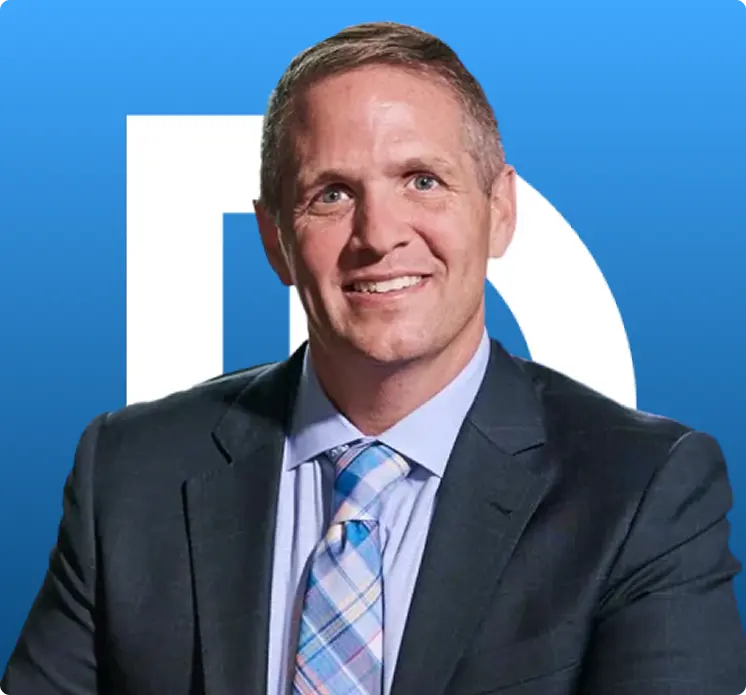
In this episode of “Let’s Get Personal,” Attorney Christopher DiBella speaks with Traci Butler Beaurivage.
In this episode of Let’s Get Personal, Attorney Christopher DiBella speaks with Traci Butler Beaurivage, President of the New Hampshire Motorcyclists’ Rights Organization, about the challenges facing riders today. They discuss motorcycle safety, Right to Repair legislation, autonomous vehicles, distracted driving, helmet laws, and rider advocacy. Traci also shares her work with the Motorcycle Riders Foundation and her efforts to ensure motorcyclists have a voice in transportation safety and legislative discussions. Whether you ride or not, this conversation explores issues that affect everyone on the road.
Chris DiBella:
Most people don’t think about motorcycle rights until it’s too late. But in New Hampshire, Tracy Boravage does. She’s president of the NHMRO, the New Hampshire Motorcyclist Rights Organization, and she’s my guest today on Let’s Get Personal. I really enjoyed preparing for this and learning a lot about your background, the amount that you do, and we chatted a little bit before we got started today. And I know you have a full life as it is, as as do many of us, and the amount of time that you set aside specifically for motorcyclist, motorcycle safety, the advocacy that you do, which is very important. Um, you know, it it’s very impressive and I I think that’s something that we really want to spotlight today. But, you know, before we dive deep into some of those topics, tell me a little bit about how you got involved in the organization and what drew you to riding when you started. Tell me a little bit about your background.
Tracy Boravage:
So, I actually started riding a motorcycle when I was like four cuz down in the south, you know, little girls get dirt bikes just like little boys do, right? So, and that was a a dirt bike. And then I had a boyfriend that rode in high school and kept that from my parents and he got me a crappy old motorcycle at one point that I kept at his house and um got my motorcycle licensement license and um so I rode on and off and then I I didn’t go away from it. Um but when my son was young I didn’t ride personally. I just rode with my husband. Um it was just a choice as a mom for me for a while. Uh and I was still kind of involved in motorcycleycling but not in HMRO. Um and 11 years ago um I so I lost a husband the husband that I used to ride with to cancer. Uh he had a glyopblastoma brain tumor and I a couple years later started dating again and I started dating my current husband Steve Boravage who is an old school biker from way way way back. Um I mean I’m talking like old school old school biker you know he’s got four three or four you know older than me motorcycles. Um so he brought me to a meeting. He was one of the he was the kid at the time. So 50 years ago um the current speaker of the house in New Hampshire right now, Sheron Packard. He and several other gentlemen got together and formed NHMRO because they were fighting against at the time the helmet laws that they were the mandates they were trying to do like if you don’t make your people wear a helmet, you don’t make them do this, we’re not going to give you federal monies. And their whole thing was it’s not it’s not that we just don’t want to wear a helmet but we want a choice and we don’t want to be held you know by monies being held from us for that. So they started NHMRO. So, um, fast forward, there’s been a lot of bikers, gentlemen, great great men that have done things with an HMRO, but they always just did it from like a biker perspective, if that makes sense a little bit when, and again, not knocking that. Um, but Steve brought me to a meeting and I’m a business person. I’m an entrepreneur, so I’ve had businesses, you know, uh, ever since I moved up to New Hampshire in 1985. Um, so I looked at it from a business perspective and said, “Well, as a biker, we need to make some changes and we need to we need to do this more like a business and we need to be doing more than just advocating for we don’t want to wear a helmet and fight the man. There’s a lot more to motorcycleycling than that. Um, so I I got involved. I started doing marketing stuff for them. Uh the first year I became the secretary and then overwhelmingly kind of got volunttoled that I needed to be president and I’ve been president ever since for New Hampshire motorcycle rights. So that’s how it all started.
Chris DiBella:
And that’s you’re celebrating is it eight years now as president?
Tracy Boravage:
Uh this is my ninth year.
Chris DiBella:
Ninth year as president. Congratulations.
Tracy Boravage:
Yeah. Thank you.
Chris DiBella:
And so what is how what does the organization look like today versus where it was when you picked it up nine years ago?
Tracy Boravage:
Um so well the first thing is we are we are not just an organization made collectively of just I don’t want to say again of bikers but we are but we have members that are not um that are not bikers that are not motorcyclists that believe in our cause. Um some of the things that have changed is um the New Hampshire Traffic and Safety Commission is comprised of Department of Safety, um the uh the DMV, the state police, um the automobile dealers associations represented. Motorcyclists had never had a um a seat on that particular commission. So um we did some legislation. you have to be voted in by the leg the legislature and the governor has to sign it and they have to sign it every year of who they are going to have on that commission. Um, so I, you know, kind of walked through the door, met a lot of people and put on my some kind of charm, southern charm, I don’t know what, but, um, we now currently represent motorcyclists. Uh, and when I say we, it’s NHMR. NHMR row has that seat. Um, as long as we want it and the governors, I’ve talked to all of them. And we have friends on both sides. So, it’s not a it’s not a political thing that way. It’s a very bipartisan thing. But it’s great because we now we never had in prior to me doing this and being able to do this, New Hampshire never had a motorcyclist advocating for motorcyclists. So the commission would be making, you know, recommendations to the legislature for motorcyclists, but there was no motorcyclist voiced on on that commission, right, to say, well, wait a minute, this is not how we feel about certain things. This is not what we want. Um, so that’s one of the things. Uh the other thing is we um and this is the we are the only state that has this but we started the New Hampshire motorcycle safety task force. We chair that task force. The state makes sure that all of the components we have the head of liquor commission. We have several legislators uh legis yeah legislators on it. Um the head of the state police is on there. Uh one of the top people from AAA is on there. I mean, I went out and made sure I I put on this task force everybody and anybody that I think needs to be talking to motorcyclists to help us a with safety, but to understand us. Um, my big goal was to take bikers from looking like, you know, the stupid bikers that people think that we are, like you look at the the shows Sons of Anarchy and Mayans and and that’s what most people think are bikers. And I’m not saying there’s not any bikers like that, but for the most part, 90% of the bikers in the world are everyday job blow people. And you wouldn’t you wouldn’t know what they do for work. They’re just bikers on the weekend or at night. So we I’m trying to change the chemistry of how we’re looked at, what we’re thought of. Um, and then also just make us better, make us better to each other and make us safer and be able to do what we love to do, and that’s ride.
Chris DiBella:
I mean, I know a little bit of something about that. I mean, being in the legal profession, we don’t always have the best reputation and um, you know, depending on, you know, we also specialize in personal injury and and we’ve had our share of, you know, how we’re labeled and characterized and when we think we’re doing great work helping people on no fee and what I’m not going to get into that diet tribe, but I understand that the misconception of reality and I think having a seat at the table, which is no easy feat. I think what you’ve accomplished being on state commissions that’s not something that is I think done in many states that I’m aware of I where they have that active of a role and I think it’s very important for you to have that voice and bring in that perspective from the writer directly that I think is lacking in a lot of areas and we do a lot in Mass and New Hampshire and uh I I that’s very impressive that you were able to accomplish that.
Tracy Boravage:
Thank you.
Chris DiBella:
um you know what do you see as the major frontline battles that you’re seeing in the from these groups facing writers?
Tracy Boravage:
So one more thing to add to that and then and I’ll explain that to you. I was humbled enough um it’s the first time that New Hampshire has had a representative but I sit also on the board of motorcycle riders foundation which is the national voice for motorcycles. I’m president of New Hampshire and then there are other people like me that are presidents of some of them are called rights organizations, some are called debate. Um originally, you know, that was a brotherhood against totalitarian enactment, right? And they changed it to um education instead. But the almost every state has a me whether they call it a president, a chair, whatever. I represent 30 states currently.
Chris DiBella:
Wow.
Tracy Boravage:
um on the National Motorcycle Writers Foundation and what we’re what we’re facing is a bigger picture than what the states faced years ago when they first started a lot of these organizations. Um it’s a it’s a federal thing. Uh one of the things that we’re finding is that motorcyclists, they’re they’re people are find looking or legislators are looking for a way to basically make us not exist anymore because we’re an issue for them. And when I say that, it’s because you’ve got a lot of autonomous vehicles that still do not recognize motorcycles, but they’ll recognize a bicycle, right? There’s a lot more metal on a motorcycle than a bike. But why? That that’s not that can’t be a coincidence that there’s something there, right? Um they the two biggest things we’re we’re coming up against and we’re actually going to Washington uh in two weeks to meet with our representatives. Every per, you know, somebody from every state, we all go down. It’s bikers inside the beltway. We show up. It’s a it’s a huge buzz because you get everything from the the you know what you think a biker would look like with the long hair and the beard to little Tracy with the purple hair with skulls on, right? You know, so it’s all kinds of different walks of life. Um but the first one is a definition of a motorcycle because motorcycles haven’t changed, but we’ve we’ve put into the motorcycle category things like the slingshot and the autoycle. And you sit in those, you drive them, you don’t ride them. And that’s a huge problem for us as motorcycles because we don’t want we don’t want something that’s not a motorcycle in our numbers, but also in our fatalities or our crashes, right? Um, you need a motorcycle endorsement to ride a motorcycle. You don’t need a motorcycle endorsement to drive. And I say drive because there are steering wheels, uh, a slingshot and and they’re they’re great. Those are fun vehicles, but they’re a car. They’re not a motorcycle. So federally we are fighting that because the states could make could make laws but if the federal government doesn’t recognize that that’s not a motorcycle it really doesn’t do us any good to fight it here in New Hampshire. Um the second one is the right to repair which affects a lot of other people besides motorcyclists and and people don’t realize that. um it would take away our ability to get parts, data, um and basically it puts it back in the hands of the the big conglomerate dealers. So, if you if you get a Harley and you want, you know, your little guy down the down the and I’m going to give a shout out to Twisted because he’s fabulous and he’s one of our sponsors, but you want him to work on your bike, he’s not going to be able to do that, right? But it goes deeper than that with the the right to repair because if you want to call Atfast Appliance to come work on your refrigerator, you’re not going to be able to do that. If you want to fix your K Cabota tractor, you’re going to have to go to K Cabota. You’re not going to be able to go to just anybody you want. And that’s that’s finding a way to pigeon hole all of us into how you can get parts, where you can get parts, you know, can you change your motorcycle, can you not? And the scary part about that is if they do that, again, part of being a motorcyclist, most of us modify our motorcycle the day after we buy it, right? We make it our own. Whether it’s putting shocks on it, you know, raising the handlebar height, uh, you know, mufflers that are louder, I mean, exhaust, whatever. But we we change it to make it our personality cuz for bikers, it’s about a lifestyle. It’s not it’s not a vehicle to get us places. So, we’re fighting those big things on bigger fronts right now.
Chris DiBella:
Well, those are some big issues and those are issues I think that a lot of people should stand up and be aware of because it’s not just motorcycle riders. It’s, you know, people that drive more vehicles and like you’re saying in appliances and I think, you know, not to get political, but there is a trend, right, towards the corporatizing of America and and them getting control over everything and taking it away. I mean, you and I grew up in a world where you could go around the block to your local pharmacy, your local hardware store, your local dentist. Now everything is being the wealth is being concentrated in the few, you know, where you have the Home Depots, you have the the CVS’s, and now you see it with Delta Dental. They’re getting into the Delta the dentist industry. Um, but I I think that’s an issue for sure, and I think, you know, I applaud you for taking that on, and a big part of addressing these things is just public awareness. And, you know, that’s a lot of what you’re out doing. Um I did not think about the role that autonomous vehicles had on motorcycle riders. Are you in the statistics are they bearing out that motorcycle riders have been subject to greater incidents related to that?
Tracy Boravage:
Yes.
Chris DiBella:
And so that’s that’s prevalent in some of the cities like California or Arizona where where they’re rolling them out.
Tracy Boravage:
Yes.
Chris DiBella:
And so that’s something
Tracy Boravage:
and we’ve had fatalities many fatalities with motorcyclists because autonomous vehicles do not recognize motorcycles.
Chris DiBella:
Wow.
Tracy Boravage:
And and you know, again, motorcyclists are not against having the future, right? If there’s an autonomous vehicle, fine, as long as it recognizes a motorcycle. Um, but one of the things that we talk about a lot at NHMRO meetings, um, how how do you how do you, if you really want to control where the future’s going, right? How do you phase out a group of people or a group of whatever? If you look at the ways that things are being done, motorcyclists are they’re looking to phase us out. They’re not looking um you know, electric vehicles. I’m all for if you want to have electric vehicle. I still personally like the sound of my Corvette engine, you know, and my motorcycle engine, but they’re not making um electric motorcycles. There’s a live wire by Harley and there’s a couple other little things, but they’re not making full baggers or sportsters, things that people want to ride in an electric motorcycle. So, if they want everything to go electric, right, how do you phase us out of is get rid of internal combustion engine? And we’ve been fighting that one as well. So, it’s funny and and you said something I want to bring up. You said most people don’t know. The truth is most people in the world don’t really know what’s going on. Not just in the motorcycle world, your world anyway. They don’t know. You happen to know because you’re fighting it from a law perspective, right? So, you know, a lot of things that’s happening legislatively. Most average American people don’t really know what laws are being passed or coming up, you know, for a hearing in their own state. And they certainly don’t know what’s happening in Washington. And if you’re only listening to media, you’re only getting what they want you to know. there’s a lot more behind the scenes. So, people wake up one day and they go, “Oh, now all of a sudden New Hampshire just did it. We we don’t have inspections. People were in an uproar.” And it’s not that they they wanted inspections to go away. They just wanted them to be revamped so that they would be better because there was too many key points to the inspections. They wanted to be about safety, not about, you know, did you have a fog light that was broken or, you know, something stupid on your motorcycle and not pass inspection. Um, but people didn’t realize that. So people didn’t show up to fight it. And if there’s not people like me out pounding the sand, you know, and pounding the pavement every day saying, “Wake up. You know, the right to repair.” Do you know how many people don’t realize that that’s going to affect everybody, not just motorcyclists, right? And even motorcyclists don’t realize how much it’s going to affect us. So it’s it’s scary right now.
Chris DiBella:
It it there’s a lot of information out there. And I think people are so it’s it goes on with everything that’s in the news, right? I think a lot of people are so busy in their lives. They’re busy with their families. They’re busy with their job. There’s so many sources of information now that if you’re not if it’s not in your algorithm, you’re not going to know this information. And I, you know, I applaud you for taking it to, you know, I don’t want to say unconventional areas, but you know, podcast is, you know, and social media are big transfers of information now. I mean what you’re doing at you know the state level and the federal level is very important but a lot of that stuff is not going to make its way into somebody’s newsfeed as you said. So this is the way that you get out there and you reach people. But um you know and I implore a lot of people that if if you benefit from this stuff, you know, don’t just listen to the podcast, but you know, find other avenues that you’ve spoken at, educate yourself, inform yourself, and then you can’t just be passive about it. like you really need to be informed and then you need to help because it’s the more people that call representatives, the more people that get involved, the more people that fund organizations, you know, even if you don’t want to do it, if you can provide financial support to allow others to do it, that’s how change happens. Uh or how we prevent unwanted change from happening. And it’s um grassroot movements are not easy, but you know, I applaud all the work that you’re doing related to that.
Tracy Boravage:
Thank you. But they work.
Chris DiBella:
Yeah.
Tracy Boravage:
Grassroots movements are they they’ve people think of them as old school and they are, but they work and they work very differently than the way that people approach things now.
Chris DiBella:
Well, it’s one of the few ways that we can kind of tip the scales against massive money spends in furtherance of certain initiatives where you can just get out a message on social media and people are liking it and sharing it and getting the word out that way. So, it it is an important um venue for us to take advantage of. Talk to me about, you know, I know you’re you’re also and and you kind of hinted to it before where you’re you’re battling, you know, addressing safety concerns, but also the right to choose. What What are some of the things that you’re facing for for riders now head on related to those issues?
Tracy Boravage:
Um well, luckily for us in New Hampshire, we are not facing a helmet bill right now, right? Um, and I and I want to be very clear, you know, Jim wears, you know, Jim, who’s with me today and and sitting in in the audience a little bit, uh, is my vice president. Jim wears, you know, he’s he’s in the all gear all the time. I applaud that, but that’s Jim’s ride. I want to clarify one thing before I say that. So, so motorcyclists are are a breed amongst them themselves. They are a type of people. And when I said to you earlier, most bikers when and when I say old school bikers, but most people who really truly ride, it’s it’s in our soul. It’s in our being. Um our motorcycle is not a vehicle. It’s it’s part of us. It’s a part of our way of our life, right? And people who’ve never ridden don’t understand that. So they just assume, oh well, you just get on a bike and you’re like I get in my car. Well, no. It’s not my mode of transportation. It’s part of my life. It’s part of a a freeing something, you know. Um, so we believe that that each motorcyclist or each biker, however you want to call us, should get on their bike and ride the ride that makes them the most comfortable, the happiest, right? I prefer myself to ride without a helmet. Um, I judge a really good haircut by how my hair looks when I get off that motorcycle. And you think I’m being funny, but I’m serious. If I can shake my hair out and it still looks good, I did good cutting my hair. But part of part of why I like that is I get on that motorcycle and the therapy and the way that I feel when I’m riding that motorcycle. The smell, the sound, the the just the the freedom of being on that bike just changes the chemistry of if I’ve had a bad day or if I’m or if I just want to go out and just enjoy my life. It’s it’s something that I do that’s just part it’s just deep in my soul. So, we fight for people to have the right to choose whether they wear a helmet or not. Um I don’t get on my bike without blue jeans and and boots. There are a lot of people that will go in shorts. I wouldn’t do that, but but I think they should have the right to to do that. Um and I think that’s where we get pigeonholed is that most people think that’s all we do is fight for helmets. I’m a huge big safety person. I, you know, I believe in the I believed in the inspections because the back tire on a motorcycle, um, depending on how much mileage or how much weight you put on that bike, you can run through a back tire pretty easy in a summertime. And if you’re not paying attention to your to your bike, and a lot of bikers do, but a lot of the newer bikers do not. They’re not they’re not looking at that. I mean, how often do you go out and look at your tires at your car? You probably don’t. I don’t either. you know, my husband pays attention to it, but I don’t I don’t go out and get in my car and go, I better check my tires and make sure they’re not bald. But a bald tire can can create a crash or a fatality on a motorcycle, you know, that wouldn’t have been there otherwise, you know. So, I’m a proponent of making sure your bike is safe. The other thing that we’re working on right now that we’re seeing a lot of, so as as bikers, I always preach at our at our meetings that we need to be responsible for ourselves. We’re seeing a lot of fatalities that we caused. So, it’s very easy for us to say it’s the other guy. And right now, we have a lot of that going on because you have a lot of people that are distracted driving everywhere, right? So, yes, we are being affected by distracted driving, but we ourselves are also killing ourselves because we’re impaired. And when I say that, it’s not we’re not just talking alcohol. You’ve got the marijuana issue. And I’m not judging people who want to do what they want to do, but if you’re going to get on two wheels, you need to have your wits about you. You don’t We don’t have a cage around us to protect us. Um, nor do I want one, right? But it’s those kind of things. We have to be better if we’re going to if we’re going to keep fatalities down. And that’s a lot of what I preach is be better. Get on that bike, but get on that bike with your mind about you and not impaired. And impairment can be it can be medications that people take, right?
Chris DiBella:
And that I mean that I think that’s a good tough love approach. I mean you’re you’re not shying away from taking accountability where where deserved but at the same point you’re holding fast to the beliefs that you want. And I think New Hampshire’s probably and you would know better than I because I know you travel and you’re involved nationally. I think you just traveled not too long ago. Um you know so you probably have a much more national understanding and perspective of what other states are doing. But I feel like New Hampshire is leading the charge in some of those things with helmet laws and what may be allowed and what may not. Um, you know, because a lot of states probably more than not, I would guess have helmet laws, right?
Tracy Boravage:
No, actually there’s more that that don’t
Chris DiBella:
really. So maybe down south and or in the Midwest where riding is maybe a little bit more year round. They don’t. Is that where you see some?
Tracy Boravage:
Well, so so South Carolina doesn’t, but North Carolina does have a helmet law. So it um the helmet laws get into again sometimes that it can be bipartisan, sometimes not. Um helmet and and this and this is something I think people that don’t ride need to understand. If you’re not a biker, right, and you’re not a motorcyclist, you you want to go home and you and you don’t want to have to worry about the people on the roads with you, right? So your thought is if you put a helmet on me, if you put me in bubble wrap and whatever else, you can go to bed at night and sleep comfortably that you made me safe. Our argument is that if we all were better to each other on the roadways, right? And we started avoiding crashes, we wouldn’t have fatal. The best the best way to not have fatalities is not to have a crash. The best way not to have a crash is for everybody to stop acting like asses and ride better, drive better, not be distracted, and and start looking out and caring about each other on the roadways. Instead of, “Get out of my way. I’m in a hurry. I’m late and I need to get somewhere.” So, you know, I don’t go into people’s homes and say, “Gee, did you have McDonald’s today? You shouldn’t have that. You’re going to die of diabetes.” Or, “Did you smoke a cigarette today?” I don’t smoke. But if you want to smoke a cigarette, you’re an adult. Smoke your cigarette if that makes you happy. If that’s what your stress reliever is, do that. So, our approach and my approach has always been people need to need to police themselves, think about what’s best for them and why, and not go do something stupid, but don’t don’t push your agenda on us just because it would make you feel better if you went home and went to bed. Um, you know, we we I live in the live or die state. That that has changed quite a bit since I’ve been here. uh since 85. It’s not as live free or die at as it had been years ago. Um you know, New Hampshire still is the only state without a seatelt law. Um I’m a proponent of again, if you want to wear your seatelt, put your seatelt on. If you don’t want to wear that seat belt, you shouldn’t be forced to wear that seat belt. That and will it help you in a crash? Probably so. But I know people that died because they couldn’t get out of seat belts. So, and there’s not a lot of those, but you you have those arguments of but I don’t need to go home and worry about did you or did you not wear your seatelt? What I should worry about is when I’m in my car or in my motorcycle, how am I reacting to all the other people around me and being a courtesy, you know, polite rider or driver so that all of us can make it home safe. If we all had if we just behavior is is the problem. Not not the put everybody in a bubble wrap. Not every not you know and and again don’t get me wrong every there are a lot of things that have saved people’s lives. Helmets have saved pe it’s they’ve also hurt people. So instead of focusing on one or two things let’s focus on the real cause. The root of the cause is people’s behaviors.
Chris DiBella:
Yeah I would I would agree with that. I mean you can’t drive on the highway these days without looking left or right and seeing somebody looking down at their phone. I mean, distracted drivers is worse than it ever has been and obviously the motorcycle community is the most vulnerable for that. Um, you know, because you don’t have a cage around you and you know, the the risk is much higher. And I I don’t know how in you don’t hear about the enforcement of people on their phone as much as you’d like to because that is something that is got to be the cause of a great majority of incidents these days. And that probably has to be a significant risk to to riders out there. And and I can I can understand, you know, a lot of my family members ride and it’s an it’s an identity. You know, it’s something that I don’t think any rider is half in half out. It’s something they’re very passionate about. It’s something that they identify with as who they are at their their soul. And um you know, so I don’t see that going anywhere. Um, but I do think that it is that balance of balancing safety without giving up too many of your rights. And that’s that’s probably going to be a constant struggle that you have to face for
Tracy Boravage:
well well and and and again you’re an attorney so you know so you’re talking about I spend a lot of time talking on the task force about how can we address the behaviors? How do we address the distracted driving? Um, we have upped the ante in New Hampshire, you know, to make the fines and and and the consequences worse, but if you talk to the state police, they have a hard time proving it because now they’re going to they’re going to say that, “Oh, we saw you on your phone.” And then that person’s going to hire you or someone else to say, “Prove it.” You know, it’s very hard to to get those things into court, right? And and then do something with them. And then it’s costly. And I think sometimes it comes down to looking at and weighing and it’s unfortunate weighing is it worth for those for the for the officers to stop somebody for that $200 or $300 fine knowing that’s probably going to be that or go down because they’re not going to be able to 100% prove other than to say that I saw you and you say I I wasn’t. Um and I think that that’s that and they’re human. you know, we’re we’re asking our police officers to do a lot of policing in ways that they get they get push back on from the public. So, I think it’s very difficult to to to do that. And
Chris DiBella:
that’s going to that’s going to evolve, right? Right. I mean, technology is growing and um you know, I know that certain insurance companies already allow people to participate in logging in when they’re driving, showing when because you can see when the phone’s moving at a certain mile per hour. And um I know there’s things that they’ve tried to put in place that they’ll give credits for people that are not actively using their phone when they’re on it. And that’s going to have to continue to evolve. I think technology is going to have to be part of that solution because you’re right. I mean, I a a small police force is not going to be able to, you know, monitor the hundreds of thousands of people driving through their community on a regular basis. Um, so there’s going to have to be another solution for that. But, um, and then we have the autonomous cars and and other things. But shifting gears a little bit, talk to me about I I know in looking at some of your past successes and and things that you were uh advocating about, we have the anti-profiling and you know, I know that, you know, we do a lot with the motorcycle community. Um, you know, and and they’re great and they’re they’re great people. They’re caring people. You know, my brother-in-law, you know, is involved in a million charity rides. And when when you actually get to know people and you realize the they do more good the motorcycle community than most communities out there. I mean they’re they’re raising money, you know, my brother rides in New York, but they’re constantly doing it for the, you know, for firefighters and and fallen soldiers and for victims of 9/11 and he’s probably does a dozen rides a year. And it’s something he’s passionate about and, you know, I think I’ve seen that throughout the organizations throughout New England. I think that’s something that’s consistent for all motorcycle communities. Um, talk to me about the impact that because I don’t think that message quite frankly gets talked about as much, you know.
Tracy Boravage:
Oh, it doesn’t.
Chris DiBella:
Why is the uh anti-profiling initiative that you’ve pursued and why was that important to you and tell me a little bit about it.
Tracy Boravage:
So, kind of exactly for what you said. So, um, bikers in general get get a bad rap because everybody watches television and we choose to believe that everything we see on television is true, right? Jim and I were just talking about this the other day. You know, the original bikers came from veterans that came back that wanted a brotherhood to stay together. So, they started clubs. Um those clubs at the time were the 1enters which are still 1 percententers today which takes with it you know and and and you hear in the news like anything there are again being an attorney there are bad attorneys there are good attorneys there are bad bikers there are good ones the brunt of the motorcyclists in the bike community including the 1% clubs are good people a lot of them are veterans we I know ones that are lawyers I know ones that are doctors they’re engineers I they’re normal everyday people that just embrace the biker lifestyle. Um, so for me, the anti-profiling thing on a on in New Hampshire was important, but also on a national level, um, one of the things I’ll tell you is cuz I I live in Bedford, New Hampshire, and I got stopped on my bike and the local cop couldn’t tell me why, but I happened to have on a vest that had skull and crossbones on the back of it, and it was a a you know, a leather vest. I don’t wear it very often. And I really think that that’s why he pulled me because I had on a vest. And for most people that think of bikers, they think of a cut, a vest that motorcycle clubs wear. So, I think I got pulled over. I didn’t get a ticket. Um, I was not as nice as I probably should have been because I was irritated because I knew I wasn’t speeding. I didn’t cross the line, you know, and I was on my way home. Um, our speaker of the house was profiled out on the coast many years ago too for riding a motorcycle, long hair. So, one of the one of the things that that was important to me in New Hampshire was I I was trying to bring about awareness of that. Not all be don’t look at a biker just because he might have on a cut or she might have on leathers or they may have long hair or they may have you know tattoos or whatever and assume that you know who that person is because you don’t know who that person is. But people we we tend to look at we judge people you know um and I think we get judged poorly and the media doesn’t like we we we do a toy run. This will be our 44th 45th year. um for NHMRO toy run where we do with the Salvation Army. We we start at the department of safety and we used to go down to the union leader now we go to the Comcast building and uh on the end of each industrial drive but my point with that is every year we invite all of the media and we have raised hundreds of thousands of dollars over all these years for the Salvation Army. They’ve given us awards but very rarely can we get media to come out and talk about that. They they’d rather go find somebody that’s a story that’s a negative story that’s impactful in a different way. I feel like media has changed a lot too. They the impact that they want us to see is all the negative instead of all the good. There’s a lot of good going on in the world like what you were saying. There’s a lot of good from bikers, but we don’t show that because that doesn’t it’s not, you know, sensationalized the same way, right? Um, and I and I still feel like there’s that element that want to paint bikers in a in a bad way. If you say you’re a biker, it it takes it has a connotation to it for most people. Um, I run, you know, again with a lot of legislative people, a lot of heavy hitter donors of a lot of these legislators, a lot of money. Um, and little biker Tracy still wears her, you know, my skull or I mean it’s part of my signature and my purple hair, you know, but I I’ve let them know that there’s more to me than what they thought because of that. And we were being profiled in New Hampshire. We are being profiled across the country. Do I think that people mo, you know, bikers like everybody else, if there’s a problem should be watched? Sure. If somebody’s doing something wrong, if there’s a problem. But the the other thing that I want to bring up real fast too is that the country itself, Homeland Security and our own officers and stuff and and I’m we’re lucky enough to have such a great working relationship with the state police that they don’t do this to us. But they consider bikers gangs. So in Homeland Security right now, if you ride on a motorcycle, three or more, and you have on like attire, so if myself and my vice president and my husband were riding and we all had on NHMRO gear, we are considered a gang. That’s wrong,
Chris DiBella:
right?
Tracy Boravage:
That’s wrong. If three of one of the clubs were riding together, they’re a gang. Why are we a gang? you know, we’re not the bloods and the crips. It’s an entirely different thing. And like I said, there are some bad bikers, but but you don’t crucify, you know, th the one or two or 3% of the those people that are bad. You don’t crucify the rest of the people because of that. But we’re portrayed that way. We’re portrayed that way on television because that’s what sells. I mean, I don’t know if you ever watched my ends of Sons of Anarchy, you know. Um, it’s cool, but it’s but it’s it’s violent. It’s whatever. But it paints us that we are all illegally I mean that we’re doing horrible, bad, terrible things all the time and that’s what bikers are.
Chris DiBella:
What do you think the driving force behind that is? You know,
Tracy Boravage:
I think it sells it. It it because if you put on there that bikers were good and you showed how nice we actually were and what we were doing with charity rides and stuff like that, how many people you think are going to watch that on the TV?
Chris DiBella:
Do you think it’s more of a media movie industry thing that’s kind of done this over the years?
Tracy Boravage:
Yep.
Chris DiBella:
Yeah. I mean, I I I will say with I agree with you in the sense that we’ve interviewed a lot of motorcycle clubs and organizations and ones that have motorcycle rides, you know, from New Hampshire down to Arlington Cemetery bringing remains. I mean, the the stories that come out uh they one that just had uh the Vietnam Memorial War that uh wall that was um they hosted and manned 24/7 for over a week and had volunteers. I mean, just amazing stories of things that I have not heard any organizations doing. Um, and very touching, very timeconuming that people are doing because they’re passionate about, but I do not think they’re talked about anywhere. Um,
Tracy Boravage:
well, you don’t see them you don’t you don’t see them on television. You don’t see a documentary about it. You don’t see us, like I said, we we can barely get the media to come to anything that we do that’s important. You know, we we had a right before bike week, um the Department of Safety set it up. We were up at the uh Louden Speedway and several of us spoke about motorcycle safety and whatever and there was, you know, a a 20 second blurb on it on WUR. They we’re not we don’t we’re not we’re not sensationalized enough to sell. We’re not negative enough. And I think that that goes back to what I said to you about behaviors. Um, especially since since CO happened. Um, because prior to CO, I think it was bad, but I think it got really bad during COVID where people were driving however they wanted to. Um, the police forces were down and they’re still down in New Hampshire. I think the state police are down 40%.
Chris DiBella:
Yeah.
Tracy Boravage:
It’s hard to it’s hard for these guys to get out there and police everybody when they are missing half of their force.
Chris DiBella:
Right. Right.
Tracy Boravage:
But behaviors got so negative and what we want to see I mean what we want to and I say we and it’s not me but people in general are the ne we want to know that somebody else is having a crappier life than we are. We want the negativity because if you show me something positive it doesn’t it doesn’t you know doesn’t make me feel better about me right and I think that’s what’s driving behind all of all of this stuff is the negative way that we all are to each other.
Chris DiBella:
Right. Well, it is interesting. You had uh the politician that was impacted in New Hampshire by riding himself. And I think having politicians whether on a state level, federal level that can understand because they’re writers and having them talk about these issues would be important. um you know because obviously you’re one person and you already you know the amount that I’ve learned just listening to you and you know not even having thought of some of these topics like the autonomous vehicles and the impact that it’s had on motorcycles and the landscape’s constantly evolving. So, um, you know, I I thank you for coming on and sharing a lot of that stuff, but for the for the everyday rider, for the people that are supportive of the community, how do they stay a breast of all these things? Because it seems like there’s something new every year, different initiatives, different things they should know about statistical trends in the industry, you know, how do they follow you to learn more, to stay involved in the community, support the community financially? How how do they do that?
Tracy Boravage:
So, uh, NHMRO, if you go on Facebook and just type in either NHMRO or New Hampshire Motorcycle Rights Organization, uh, our website, nhmro.org, um, and it’s it lists, you know, we give our personal phone numbers and I, like I, like I told you, I get a lot of people that call me. I get a lot of people that email me. The email is on there as well. nhmarro presidentgmail.com is my email if you want to reach out. What I want to say to the the motorcycleycling community, but even people that don’t aren’t part of that, but they want to understand it, is please reach out and understand what we do. We we are a nonprofit. Our money doesn’t I don’t get paid. Um none of nobody gets paid on our on our board. We’re all volunteers or volunte. Um what allows me to travel and what allows me to help fight all of these things is people being members. Um and it’s $20 to be a member. You can’t go any I mean, you know, you can’t hardly buy a drink for that these days. Um, and we need members. Numbers matter. Jim Jim talks about this a lot, my vice president in our newsletter a lot because when I go to Washington and I can say, “Look, you know, there are 80,000 registered motorcyclists or motorcycles, sorry, in New Hampshire, which equates probably to about 65,000 motorcyclists because we all own at least two bikes mostly. But that’s a lot in a little state like New Hampshire. you should listen to us, right? Numbers matter. Um, and numbers for our membership for NHMRO because again, I I if if we didn’t have NHMRO, Tracy Boravage, and my husband is a is a very good supporter of mine. I would be funding it personally because that’s how much I care about this. And I have funded when NHMRO has had times when we’ve been lean. Um, but it funds it. It allows me to travel and speak. It’s why I was asked to be on the board of the National Motorcycle Writers um you know uh foundation because of the types of things that I do. Um you have to put yourself out there and if you care about your lifestyle and you care about what you’re doing, you should care enough and and you said one thing I want to bring up, you don’t have to be as involved as someone like me. You can be if you want to be. You can you can do everything from just give us your $20 and you’ll get our newsletter and you get to find out what’s happening. Um it’s cool. our newsletter. One of our sponsors, uh, New Hampshire Automobile Dealers Association, sends our newsletter out to all of the people that are involved with them, too. So, it’s not just bikers getting this newsletter. And it’s not just biker information. It’s information that a lot of people should be reading in there because maybe we could educate people so they would understand if we ever decided to do lane filtering what that means.
Chris DiBella:
Right.
Tracy Boravage:
So, it’s it’s about being current and knowing what’s happening in the world around you.
Chris DiBella:
Well, and for the amount of ways we waste money on on apps and different things these days, I get the newsletter and and I think it’s very informative and I think for those listening, they get a little glimpse into the types of information that you’re able to share and you know, they’re lucky to have you. I mean, you can tell you’re very passionate, but you’re also very knowledgeable, not just throughout the state, but nationally about trends and what’s going on and how the community is impacted. And so if they can get a little taste today of why it’s important to be a member and what they would get out of it, I I think, you know, that’s a a great uh accomplishment for the podcast today. But um you know, I would I I have the newsletter and I get a lot out of it. I I think that um others should do it uh because it’s well worth the money, which is peanuts compared to the value they’re getting out of it.
Tracy Boravage:
Well, and like I said, for 20 bucks, if you don’t ever want to be involved, you can at least understand what’s happening and know that somebody’s going to be out there looking out for you to be able to continue to ride.
Chris DiBella:
That’s right.
Tracy Boravage:
And if you love riding, like 99% of us do, it’s it’s who you are. You should want to protect those rights and protect what you have, which is being able to ride.
Chris DiBella:
I think that’s a good place to end it. Thank you so much for joining us.
Tracy Boravage:
Thank you for having me on. I appreciate very And thank you for getting the newsletter.
Chris DiBella:
My pleasure.