
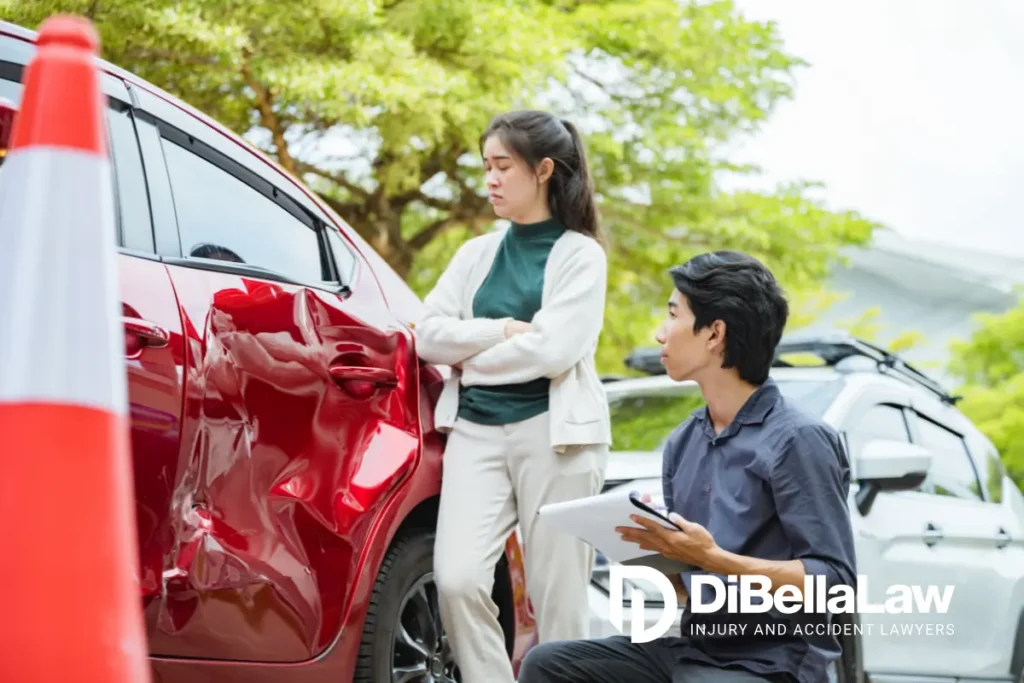
Imagine you’re involved in a car accident, and the driver responsible works for a delivery service or is on the clock for their employer. You might be left wondering, “Who do I hold responsible for the injuries I’ve sustained in this accident?” It’s a common question, especially if the at-fault driver was acting within the scope of their job or driving a company vehicle.
The answer may lie in a legal concept called vicarious liability. In this article, we’ll explain what vicarious liability means, how it applies to car accidents, and how it could impact who is financially responsible for your injuries.
What Is Vicarious Liability in Law?
Vicarious liability is a legal concept where one party is held responsible for the actions of another. This often applies in situations where an employer is held liable for the actions of their employee, even if the employer wasn’t directly involved in the incident. The legal theory behind this is called “respondeat superior,” which means “let the master answer.” It holds that employers can be responsible for their employees’ actions if those actions occurred within the scope of their job duties. This is common with commercial trucking accident cases.
Importantly, vicarious liability does not require the supervising party, such as the employer, to have done anything wrong themselves. It simply means they are financially responsible for the actions of those working under them.
For example, a delivery driver making a delivery is acting within the scope of employment, and the employer may be held liable if an accident occurs. However, if the driver is running a personal errand during work hours, this usually breaks the connection, and vicarious liability wouldn’t apply.
Common Situations Where Vicarious Liability May Apply
Employer to Employee Accidents
Vicarious liability often applies through the doctrine of respondeat superior, meaning an employer can be held responsible for an employee’s actions while performing job duties. This only applies to employees, not independent contractors, as contractors are generally responsible for their own actions. The distinction between employees and contractors is crucial in determining liability.
Company Vehicle Accidents
When an employee causes an accident while driving a company vehicle, the employer may be held liable if the vehicle was used for business purposes. Ownership alone does not establish liability; the key factor is whether the vehicle was being used for work-related duties at the time of the accident.
What Must Be Proven to Establish Vicarious Liability?
To establish vicarious liability in a car accident, several elements must be proven:
- Qualifying relationship: There must be a recognized relationship between the parties, such as employer-employee, vehicle owner-driver, or another applicable relationship (e.g., family member).
- Negligence of the driver: The driver must be found negligent, meaning they caused the accident through careless or reckless behavior.
- Scope of employment or authorized use: The driver must have been acting within the scope of their employment or with permission to use the vehicle. For example, they must have been performing job-related duties or using the vehicle for an authorized purpose at the time of the accident.
- Causation and damages: It must be shown that the driver’s actions directly caused the accident, resulting in damages (such as injury, property damage, or financial loss).
Proving these elements ensures that the responsible party, typically an employer or vehicle owner, can be held liable for the driver’s actions. Working with an auto accident attorney makes proving these elements easier. We will take on the heavy lifting of finding the information while you focus on recovery.
How Vicarious Liability Affects Compensation
Vicarious liability is important for injury victims because it can expand the pool of responsible parties, potentially increasing compensation. Employers or companies typically carry higher insurance limits than individual drivers, meaning there may be more financial coverage available to victims. By identifying additional parties, such as an employer or vehicle owner, who may be held vicariously liable, victims could access greater recovery amounts than if only the at-fault driver were responsible. This can make a significant difference, especially in cases involving severe injuries or substantial damages.
How Our Car Accident Lawyer Can Help
Proving vicarious liability can be complex, especially when it involves identifying all potentially responsible parties. At DiBella Law, we handle every step of the process, including reviewing employment relationships, analyzing insurance policies, and determining whether the driver was acting within the scope of employment.
We also negotiate with corporate insurers to ensure all parties are held accountable. Identifying multiple liable parties can significantly affect your compensation, and we’re here to make sure you don’t miss any opportunities for recovery. If you’re unsure about who is responsible for your injuries, contact us today for a free consultation. Let us guide you through the process with confidence.